2026 · Ongoing
Bogotá, the coffee region, the Boyacá bikepacking route — riding deeper into South America, one department at a time.
I arrived in Bogotá with a laundry list of chores before beginning my South America adventure. The top of the list was taking my moto in for some long overdue maintenance (new tires, valve clearances) and most notably a diagnosis for a sound that was coming from my motor when I would push the bike up hills at high speed. Luckily, I took it to the right place at Royal Cycles, who let me know that even though I had a low amount of kilometers on the bike, I would most likely have to replace the piston and cylinder. The mechanic I found was great help and walked me through the process — to complete it would take a week. Instead, I decided to ride around Colombia and do this tedious process in Cali, since I already knew I wanted to stay there a few weeks to learn how to salsa dance. After a few band-aid solutions to get me there, I was on my way.
My first plan in Colombia was to try some off-road adventures. From my friend Simon, a Swiss bikepacker, I learned of bikepacking.com and their dirt trail routes from around the world. He told me of Oh Boyacá!, a famous route north of Bogotá that he would be completing at the end of June. While our timelines did not overlap, I decided this was my second order of business.
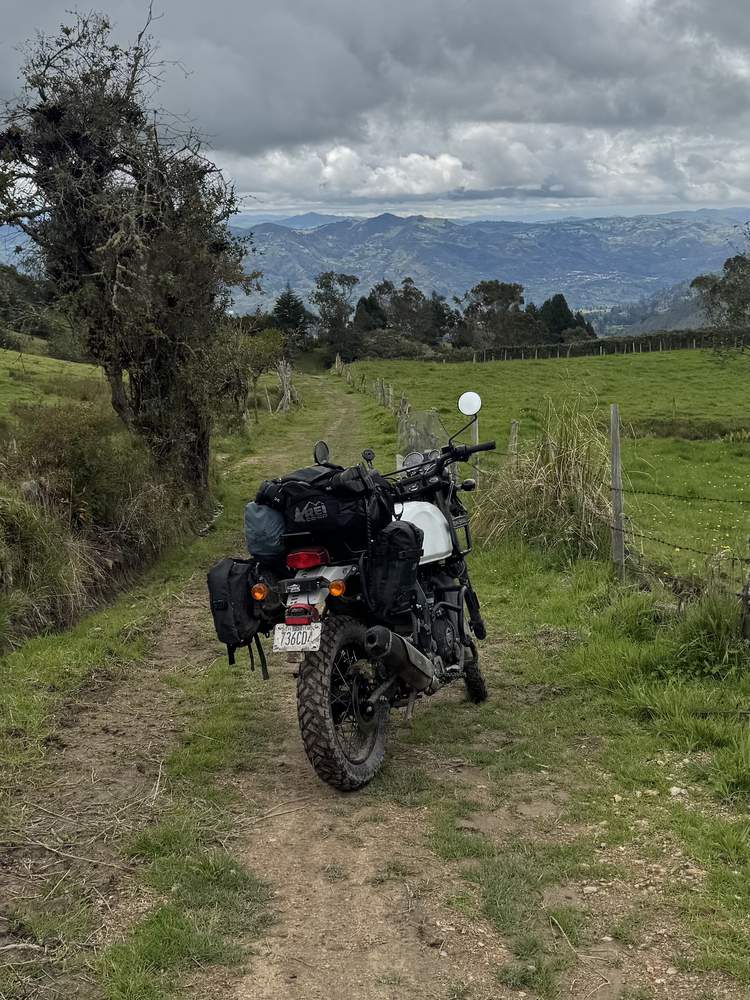
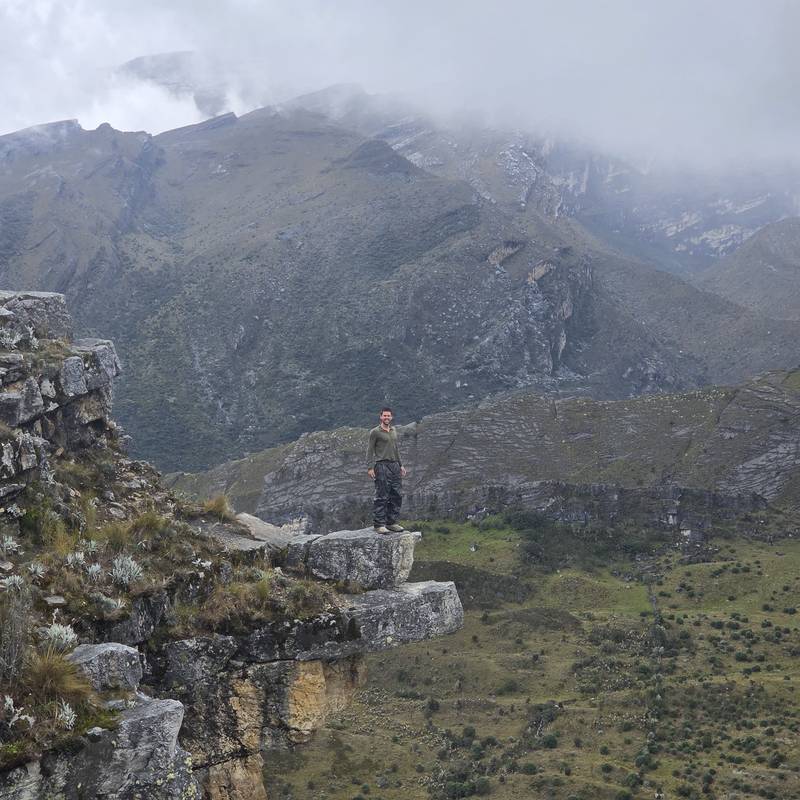
Oh Boyacá! was tremendous — it took me to barely traveled routes culminating with El Cocuy National Park, a tremendously gorgeous nevado, or snowy peak, one of only six in the entire country. I improved my off-road riding skills, learning how to stand up and ride, had an infinite number of potatoes, and spent time in tiny mountain villages far from the tourist circuit.
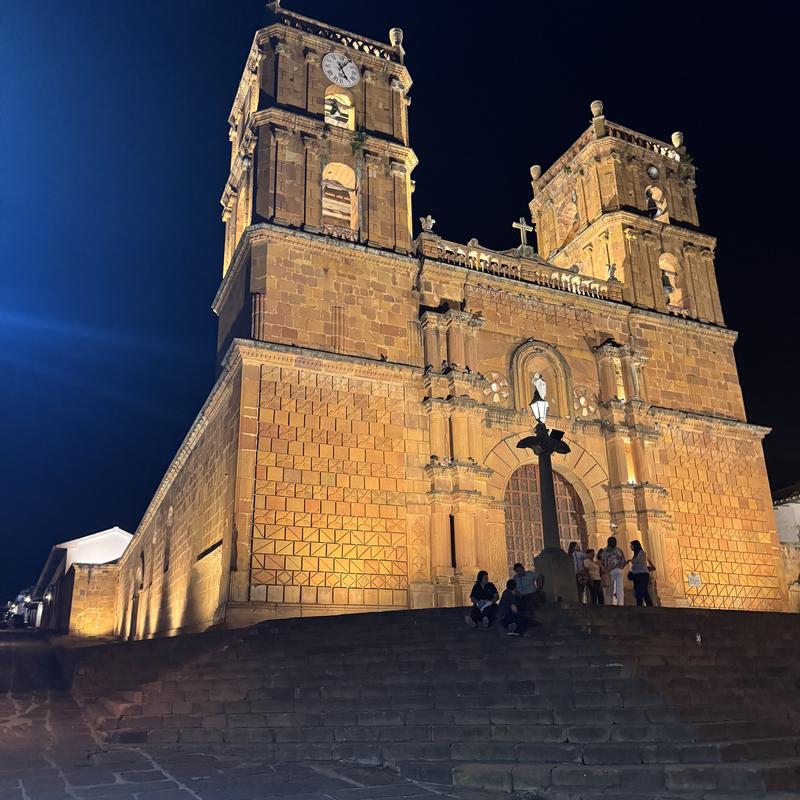
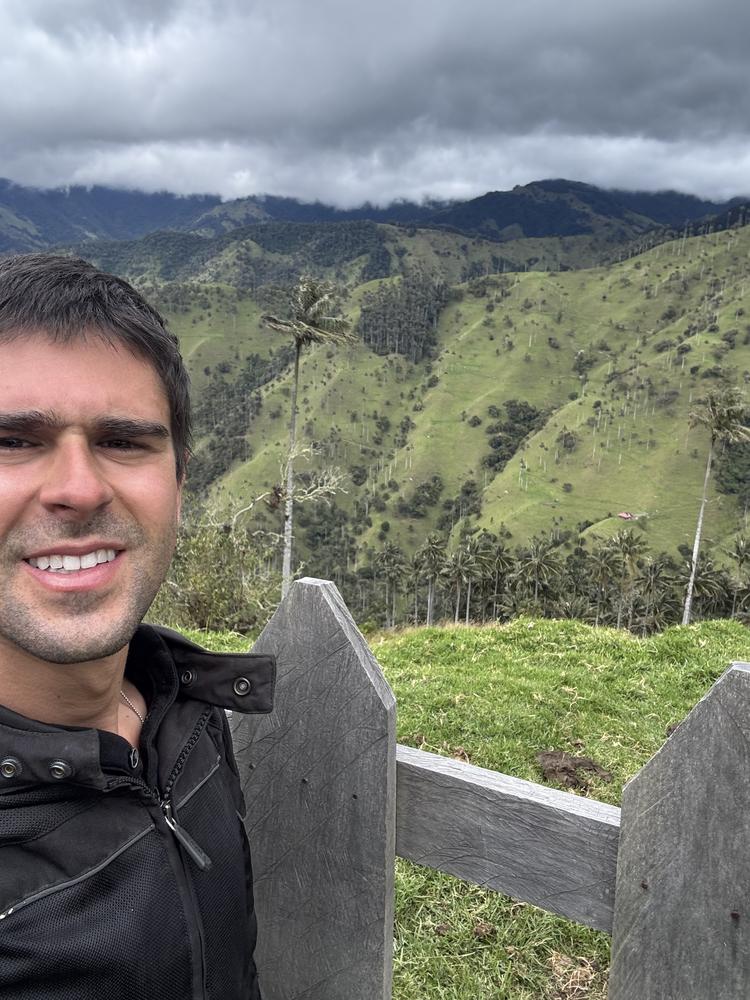
Leaving the well-established route of Oh Boyacá! and heading out on my own with no plan was daunting. One major thing I learned about Colombia is you never want to be caught at sea level — it's too damn hot. So my next plan was to cross from the most eastern cordillera to the western mountain ranges. Head down to the coffee region, do some bird watching, and ultimately end up in Cali.
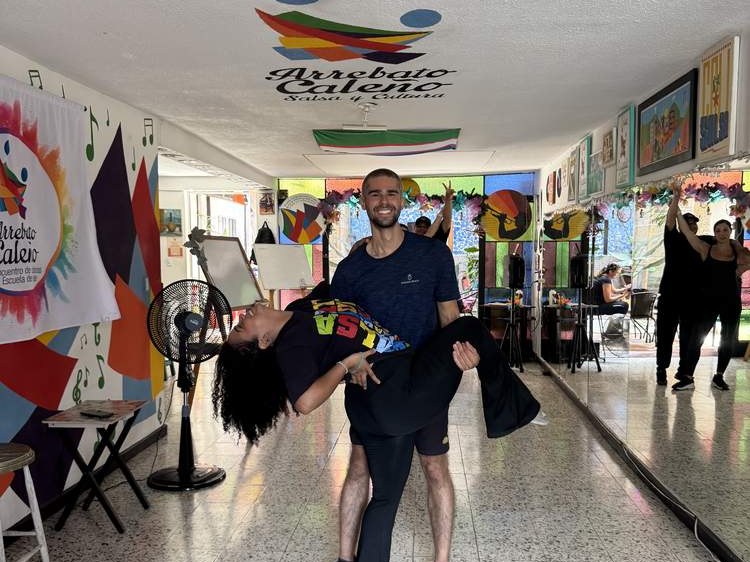
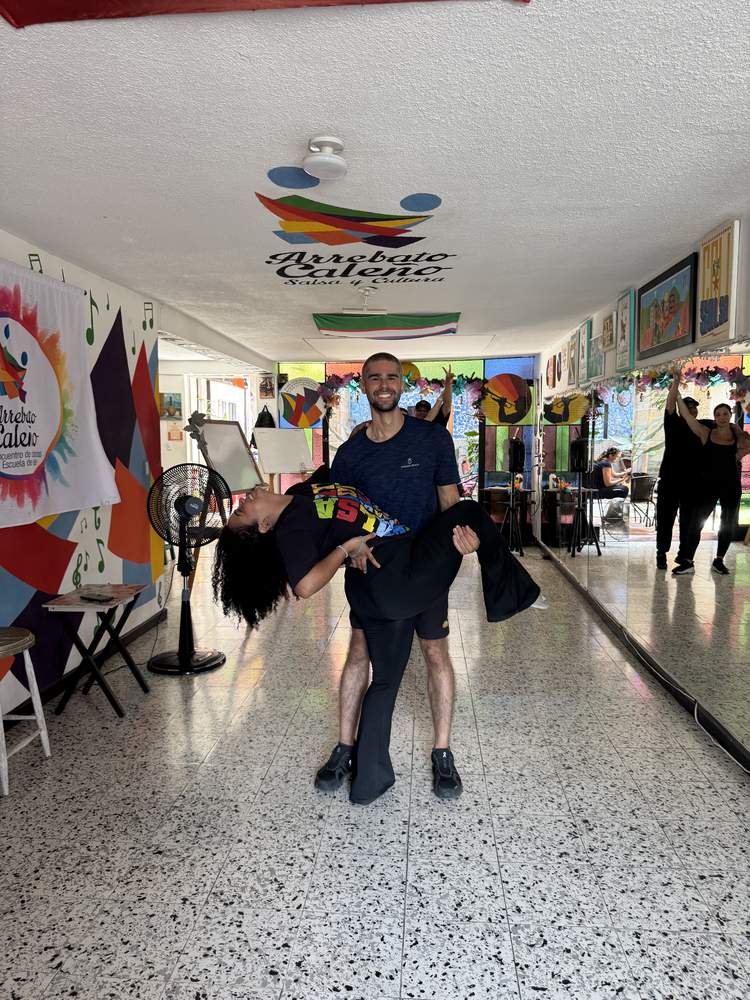
I was overjoyed to be "stuck" in Cali while I finally did the major service to my Himalayan. It lived up to its name, La Capital de la Salsa. Five nights a week you would find lively salsa bars and clubs nearby to enjoy the music, appreciate the dancing, and try yourself. Immediately after my first night, Monday, at the famous La Topa, I knew I would want private lessons. I remember feeling this is the most awkward I'll ever feel dancing salsa from this point forward. And that pushed me to improve for Wednesday. I purchased a 12-hour private lesson package, partook in daily salsa classes at my hostel, and would practice those five nights a week at salsa clubs.
It's hard to describe how much I love salsa. It all began, I'm sure, before I was out of my mother's belly. The rhythm, the cowbell, the clave, tambor, has been with me all 28 years of my life. My grandfather's playlist whenever we would get in the car and drive to Dodger games. Seeing El Gran Combo in Los Angeles at the age of 12, featuring a salsa-dancing dog. My father's Marc Anthony CDs, which he left for me in my first car at age 16. It felt like all these moments led me to Cali. After two and a half weeks — and being extremely humbled by the difficulty of learning salsa — I left, knowing that salsa dancing is something I will pursue as a hobby from this day forward.
As you ride around the Valle del Cauca and other southern departments of Colombia, people begin to talk about guerrilla and locals fighting with the government in remote parts of the south. You are advised not to stray from the beaten path. This was most salient due to the new presidential elections in Colombia, where a far-right president promised his people to annihilate the guerrilla and drug cartels which were in the exact regions I would have to cross to make it to Ecuador. At this moment it felt that God sent me an angel. I was walking around San Agustín, a three-day drive from the border, and met another lonely traveler, also on moto. We made a plan, given the presidential transfer of power in four days, to ride together to the Ecuador border. In these next few days, it was a lifeline to have a riding partner — we put in shifts of five to six hours a day through freezing, wet mountain temperatures to reach the border, unharmed. What I believe was largely overblown was how dangerous the road to the border was, as we never felt unsafe or saw anything out of the ordinary; we respected the warning of locals and left.
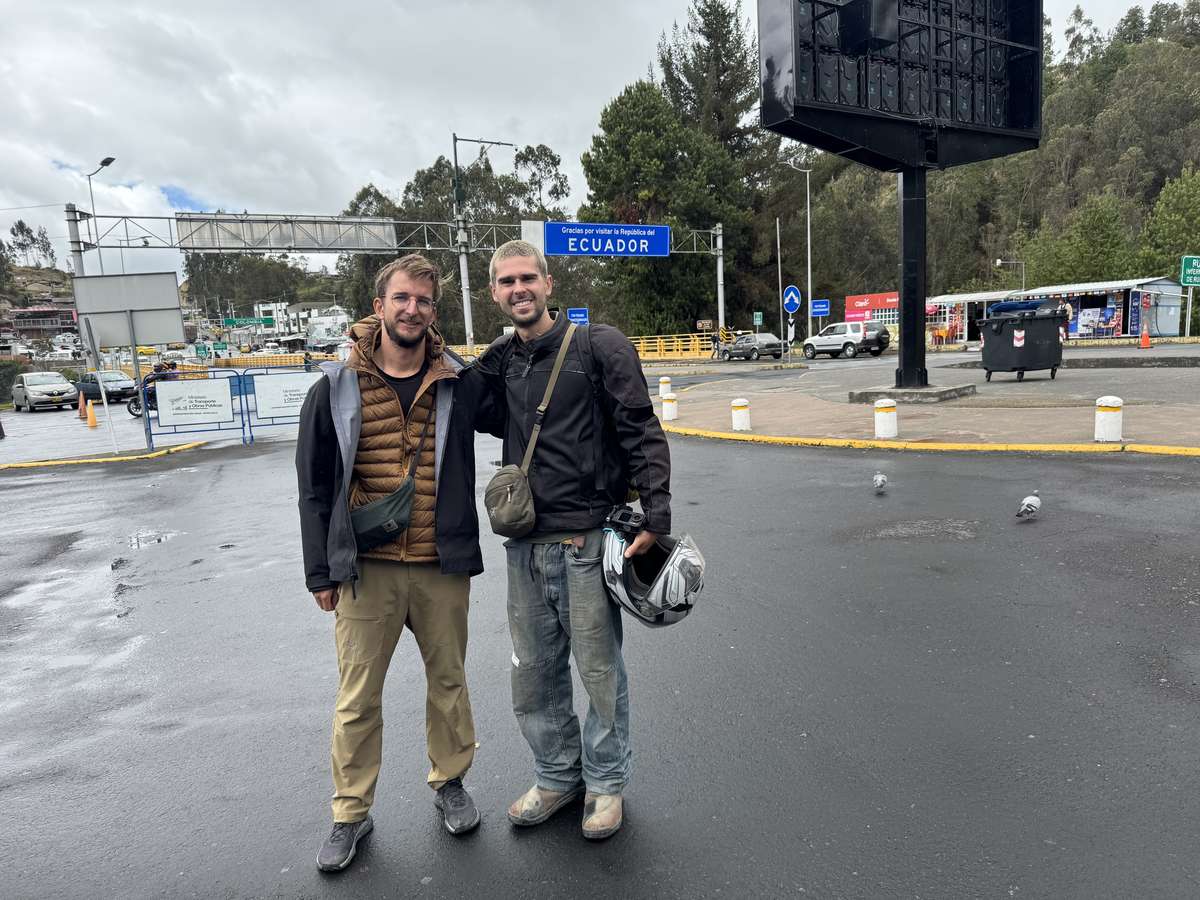
A sour taste was left in my mouth after my favorite country on the trip.